ObservabilityFrontend
Feb 1, 20268 min read
Building Frontend Observability
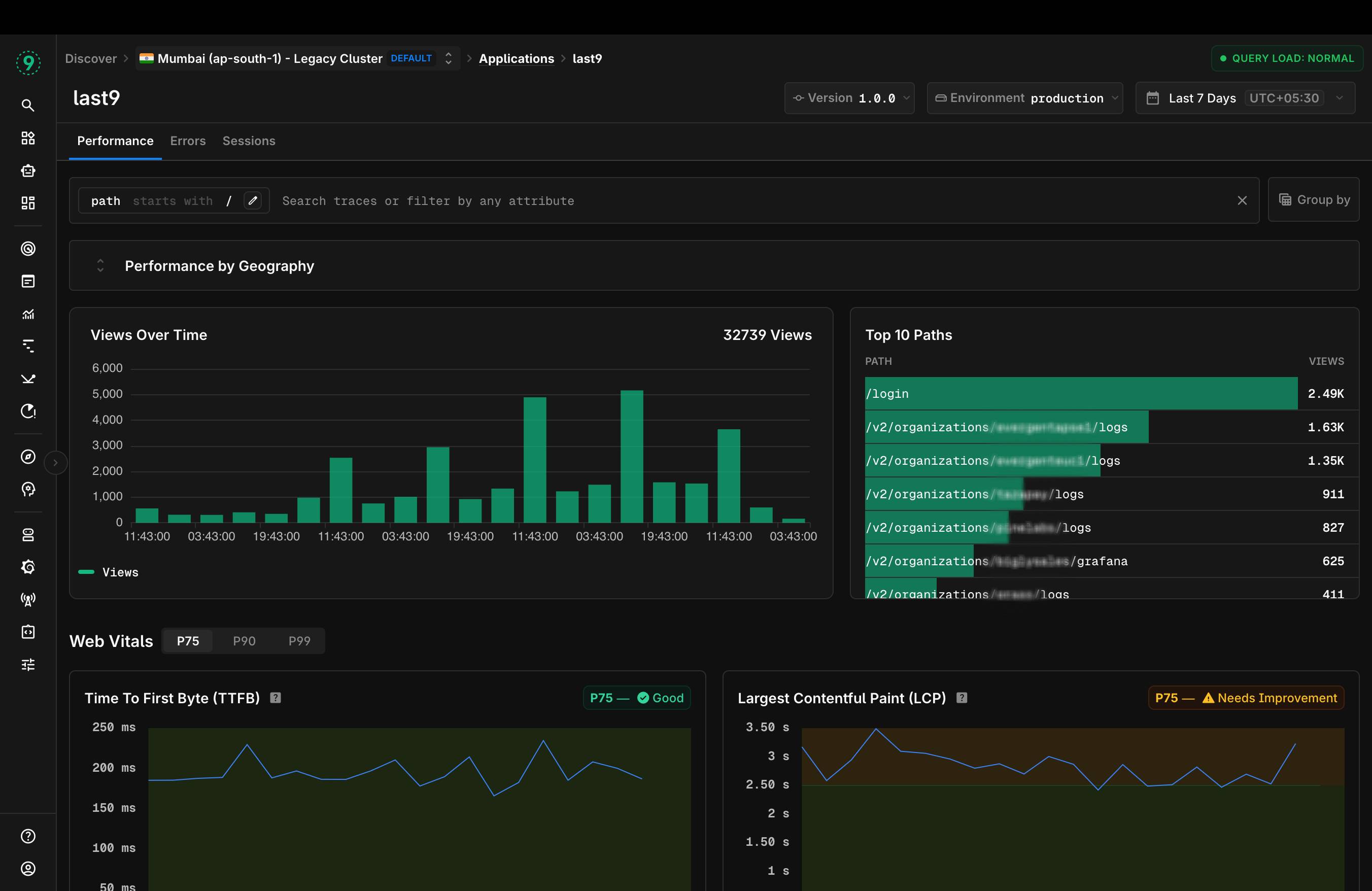
A deep dive into building an o11y platform for frontend performance, errors, and user sessions - from MVP to production.
Rizwan MemonRead

Do you ever find yourself thinking, "My manager doesn't care about my growth, and our 1-on-1 meetings are a complete waste of time"? If so, you're not alone. But 1-on-1 meetings can be the most valuable mechanism to affect your career and ensure that your career is moving forward the way you want it to.
Do you ever find yourself thinking, "My manager doesn't care about my growth, and our 1-on-1 meetings are a complete waste of time"? If so, you're not alone. But 1-on-1 meetings can be the most valuable mechanism to affect your career and ensure that your career is moving forward the way you want it to. Keeping your manager upto speed with what you are doing is important, so they can adequately represent you when the need arises.
Let’s talk about what you should do to have great 1-on-1 meetings with your managers and why they are important in the first place.
It is crucial to take ownership of your own path instead of relying on your manager to guide you perfectly. Each individual has unique goals and desires, such as aspiring to be a generalist or an individual contributor (IC). It is essential to openly communicate these aspirations with your manager and ensure they understand your objectives.
The majority of my 1-on-1 meetings are driven by me, where I take the lead in setting the agenda and come prepared with specific topics I wish to discuss. While it is not mandatory to strictly adhere to the agenda, having it in place helps us stay on track if we veer off-topic.
Let’s be realistic here, managing people is often added responsibility for you manager. It’s not that they don’t care about you. It’s that the manager often has 80 hours of work to try and squeeze into 40 hour work week. Even with their best intensions lots of things drop off the bottom. So if you are one of those quiet employees who never complains about anything, then you are not the problem that needs to get fixed and inevitably you will end up getting less attention than it is required.
In order to take ownership of your career path, it is beneficial to put in some effort before your 1-on-1 meetings and assist your manager as well.
In most organisations, managers are responsible for facilitating promotions and advocating for their employees' accomplishments to upper management. They also play a role in shielding employees from potential challenges and obstacles that may arise.
Ideally, employees should have regular weekly meetings with their managers, skipping meetings itself is a sign that things are going wrong and should be examined more closely.
Take the time to prepare before your 1-on-1 meetings instead of approaching them haphazardly. While you don't need to create a rigid script, having a general plan will prevent you from losing focus on important topics you wish to discuss with your manager.
Share your achievements from the previous week, such as new skills you've acquired or problems you've identified. When presenting an issue, come prepared with potential solutions instead of simply complaining about it. If you require assistance from your manager, make a polite request for their support. Recognise when it's necessary to escalate matters, and involve your manager if their involvement can expedite the process.
Ensure that both you and your manager leave your 1-on-1 meetings with a clear list of actionable to-do items. This will aid in your preparation for the next meeting and allow you to follow up on the progress made on those tasks.

It is recommended to seek explicit feedback from your manager at least once a month. During your 1-on-1 meetings, make it a point to revisit this feedback and discuss how you intend to address it.
For example, during your monthly 1-on-1, ask your manager for feedback on your coding style and discuss your plan to enhance it by incorporating coding best practices and seeking code reviews from colleagues.
It is crucial to clearly communicate your expectations regarding your current role and the next level you aspire to reach during your 1-on-1 meetings. Ask your manager about the specific skills and criteria necessary to progress to the next level and inquire if your current efforts align with those expectations. Although these conversations may initially feel uncomfortable, they are essential for your career growth. Remember, the initial discomfort will fade away sooner than you anticipate. Additionally, it may lead to a positive and friendly connection beyond just a professional one.
By engaging in explicit discussions with your manager, you prompt them to consider the factors that contribute to your advancement. This proactive approach ensures that your progress is not overlooked amidst the myriad of other responsibilities your manager handles.
These conversations will result in a checklist of skills and levels of proficiency you need to demonstrate, serving as valuable ammunition when promotion discussions arise. Imagine the scenario where others walk into these discussions with minimal knowledge shared with their managers, while you have actively sought feedback, understood the expectations, and consistently highlighted your achievements.
To make promotions easier for your manager, adopt the mindset of providing value and looking for ways to simplify processes. This principle extends to other areas as well.
Ultimately, your manager should be able to quickly and confidently assess whether or not you should be promoted. If they need to delve into detailed work and other information to make that determination, it indicates that you may not be effectively showcasing your qualifications. Strive to consistently demonstrate your abilities and achievements, making it easier for your manager to evaluate your readiness for promotion.
If your manager books frequent 1-on-1s with you share this meme with him/her.

To explore more insights and tips on advancing your career in software development, I highly recommend connecting with me on Twitter at @rizwan2000_rm. I'm always open to discussing career growth, sharing insights, and exchanging ideas with fellow members of the tech industry. Let's connect and continue the conversation on Twitter!
A deep dive into building an o11y platform for frontend performance, errors, and user sessions - from MVP to production.

Estimating software development tasks accurately has proven to be a challenging endeavour for engineers, leading to a historical pattern of overcommitment and under-delivery.